
 admin
admin 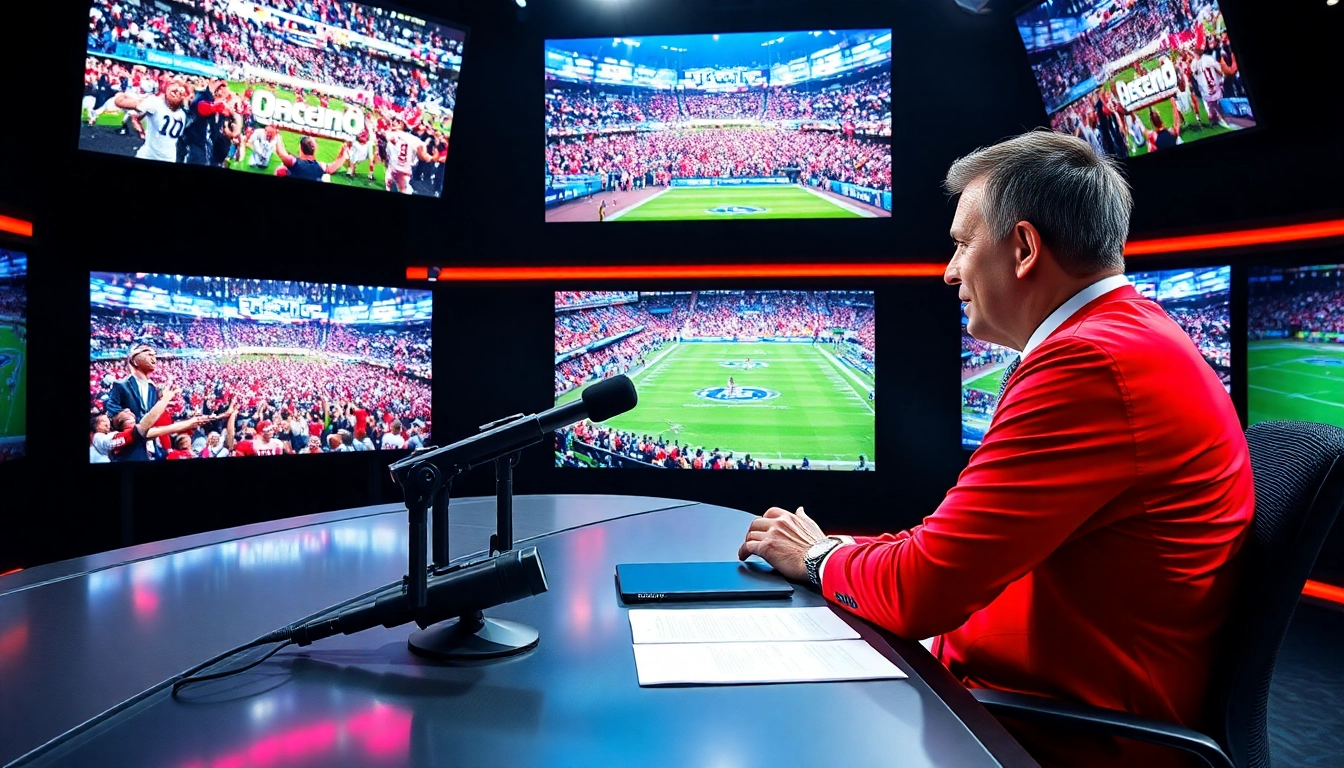
Understanding Sports Broadcasting: An Overview
Sports broadcasting has evolved into a vital component of the entertainment and media landscape, captivating millions of fans worldwide. From the early days of radio broadcasts to the current dominance of streaming platforms, Sports Broadcasting has shaped how audiences engage with their favorite games and athletes. This article delves deep into the nuances of sports broadcasting—its history, essential skills, current trends, challenges, and metrics for assessing success.
The Evolution of Sports Broadcasting
The journey of sports broadcasting began in the early 20th century with radio broadcasts, reaching audiences in real-time and providing a new level of engagement with live sports. As technology advanced, television emerged, transforming the way sports were enjoyed. Iconic moments like the 1936 Summer Olympics showcased the potential of visual broadcasts. The subsequent decades saw the proliferation of cable television, which introduced specialized sports networks and expanded the range of sports available.
With the advent of the internet, the landscape shifted once again. Online platforms enabled real-time streaming, allowing fans to watch games on demand. Today, we are witnessing the rise of mobile broadcasting and the integration of social media, which connect fans to events and players like never before.
Key Components of Sports Broadcasting
Understanding the key components of sports broadcasting is crucial for anyone looking to navigate this complex field. The primary elements include:
- Live Coverage: Real-time broadcasting of games and events is the essence of sports broadcasting, allowing fans to experience the action as it unfolds.
- Commentary and Analysis: Professional analysts and commentators provide insights, enhancing the viewer’s understanding and enjoyment of the game.
- Production Quality: High-quality video and audio production contributes to the overall viewer experience, with advanced graphics, instant replays, and engaging storytelling techniques.
Understanding Different Platforms
Sports broadcast platforms have diversified significantly, offering various formats to suit different audiences. Traditional television networks, such as ESPN and NBC Sports, continue to play a vital role. However, digital platforms like YouTube, Hulu, and dedicated sports streaming services have changed the game. These platforms offer flexibility, allowing viewers to tailor their sports consumption according to their preferences.
Moreover, social media platforms like Twitter, Facebook, and Instagram are increasingly used for live updates, behind-the-scenes content, and even exclusive interviews, creating a more interactive experience for fans.
Essential Skills for Sports Broadcasters
Communication Skills for Effective Engagement
A sports broadcaster must be a proficient communicator, capable of engaging viewers through storytelling and expert analysis. Clarity and enthusiasm are essential, as broadcasters must convey the excitement of the game while ensuring their audience understands the nuances of play. Public speaking, voice modulation, and non-verbal communication play a significant role in creating engaging broadcasts.
Researching and Reporting Sports Stories
In-depth research is crucial for delivering compelling sports narratives. This involves understanding team dynamics, player statistics, historical contexts, and ongoing trends. Effective reporters uncover exclusive stories that resonate with audiences, embodying both passion and insight. Building relationships with coaches, players, and insiders also enhances a broadcaster’s ability to offer exclusive content.
Technical Proficiency in Broadcasting Equipment
As technology advances, familiarity with broadcasting equipment is increasingly important. Broadcasters must understand camera operation, audio setup, and live streaming technologies. Proficiency ensures smooth broadcasts and allows for problem-solving during live events. As broadcasting technology becomes more sophisticated, learning new tools and software becomes essential.
Current Trends in Sports Broadcasting
The Rise of Streaming Services in Sports Broadcasting
The shift towards digital consumption has led to a significant rise in sports streaming services. Platforms like Amazon Prime Video and DAZN have entered the arena, offering exclusive sports packages and redefining how audiences engage with sports. These services often provide on-demand content, catering to a younger audience that prefers flexibility over traditional cable packages.
Virtual Reality and Augmented Reality in the Broadcast Arena
The integration of Virtual Reality (VR) and Augmented Reality (AR) is revolutionizing viewer experiences. Providing immersive experiences, these technologies offer fans unprecedented access to the action, such as virtual stadium tours or player interactions. This move not only enhances fan engagement but also opens avenues for innovative advertising and sponsorship opportunities.
The Role of Social Media in Engaging Audiences
Social media platforms are now vital for sports broadcasting, serving as tools for engaging fans directly, sharing content, and creating community narratives. Teams and broadcasting agencies utilize these channels to share highlights, real-time game updates, and personalized interactions, fostering a sense of connection between fans and their favorite sports figures.
Challenges in Sports Broadcasting
Balancing Live Events and Broadcast Schedules
One of the significant challenges in sports broadcasting is effectively balancing live events with airing schedules. Conflicts can arise when multiple events occur simultaneously, leading to difficult decisions about which games to prioritize. Broadcasters must develop strategic plans that ensure optimal audience reach while maintaining quality coverage.
Dealing with Audience Expectations and Preferences
Sports audiences are diverse, each with unique preferences and expectations. The rise of personalized content has made catering to varied tastes even more critical. Broadcasters must adapt to changing viewer demands, experimenting with different formats, narratives, and interactive elements to keep audiences engaged.
Adapting to Technological Changes
The rapid pace of technological change poses an ongoing challenge in sports broadcasting. New tools and platforms continuously emerge, requiring broadcasters to remain agile and informed. Regular training and skill updates are essential to ensure broadcasters can leverage technology effectively and stay competitive in this fast-evolving industry.
Measuring Success in Sports Broadcasting
Key Performance Indicators for Broadcasters
Success in sports broadcasting can be quantifiably assessed through key performance indicators (KPIs). Metrics such as viewer ratings, audience engagement on social media, and advertising revenue serve as benchmarks. Analyzing this data can provide insights into effective strategies and areas for improvement.
Analyzing Viewer Engagement and Feedback
Engagement analysis helps broadcasters understand how well they connect with their audience. Practicing data analytics to review viewer interactions, comments, and feedback offers actionable insights. Broadcasters can use these findings to refine their content and tailor their approaches to meet audience expectations more effectively.
Future Opportunities in Sports Broadcasting
The future of sports broadcasting is ripe with opportunities. The convergence of technology, including AI and enhanced data analytics, will continue to reshape how sports are consumed. Furthermore, partnerships between content creators, traditional media, and tech companies may foster innovative broadcasting solutions, catering to expanding audiences globally.
FAQs about Sports Broadcasting
1. What is sports broadcasting?
Sports broadcasting involves disseminating sports events to the public, primarily through television, radio, and digital platforms. It encompasses live coverage, commentary, and analysis.
2. How has technology impacted sports broadcasting?
Technology has transformed sports broadcasting by introducing streaming services, AR, and VR, enhancing audience engagement and accessibility to sports events.
3. What skills are essential for sports broadcasters?
Essential skills include effective communication, in-depth research capabilities, storytelling, technical proficiency, and adaptability to new technologies and changing audience preferences.
4. How do broadcasters measure their success?
Broadcasters measure success through KPIs such as viewer ratings, audience engagement, and advertising revenue, providing insights for content improvement and strategy refinement.
5. What are current trends in sports broadcasting?
Current trends in sports broadcasting include the rise of streaming services, increased use of AR and VR, and heightened engagement through social media platforms for real-time interaction.